Advancing open data in the Mekong region: Reflections from the 2025 regional dialogue
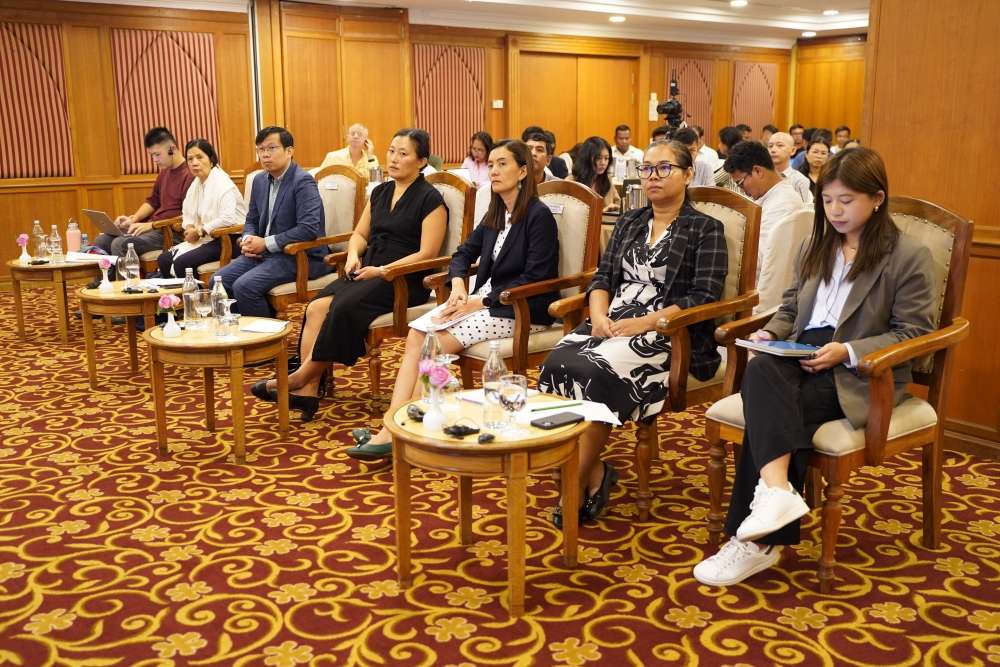
On 27 October 2025, Open Development Cambodia (ODC), in partnership with the Cooperation Committee for Cambodia (CCC) and supported by International Development Research Centre (IDRC) and other donors, successfully convened a full-day workshop titled Regional Dialogue on Open Data in the Mekong Countries: Challenges and Opportunities. The event brought together civil society organizations (CSOs), researchers, development partners, and regional experts to exchange experiences, address persistent challenges, and identify new opportunities to strengthen open data across the Mekong region.
In recent years, the Mekong region has seen notable growth in open data initiatives, reflecting increasing commitment from governments and civil society to promote transparency, accountability, and citizen engagement. Governments are introducing policies and programs to improve public service delivery, support evidence-based decision-making, and advance sustainable development.
Despite this progress, meaningful consultation with CSOs during policy development remains limited. At the same time, CSOs, researchers, and development actors are increasingly using open data to strengthen advocacy, improve program effectiveness, and deepen community engagement. Persistent challenges remain, particularly in data accessibility, quality, standardization, and technical capacity for data use. These challenges are also closely linked to inclusion. Research from the Mekong Women in Data initiative highlights that women across Cambodia, Lao PDR, Myanmar, and Vietnam face systemic barriers to accessing open data, including limited institutional support, entrenched gender norms, and a lack of inclusive leadership in data ecosystems. Addressing these structural, social, and technical barriers is essential to unlocking the full potential of open data in the region and ensuring it benefits all groups in society.
The workshop gathered 92 participants, including 37 female participants. Attendees represented CSOs, INGOs, and universities, travelling from Phnom Penh and several provinces, including Siem Reap, Kampong Chhnang, Svay Rieng, Battambang, Oddar Meanchey, Koh Kong, and Preah Vihear. This diverse participation highlighted growing national interest in open data and its cross-sector applications.
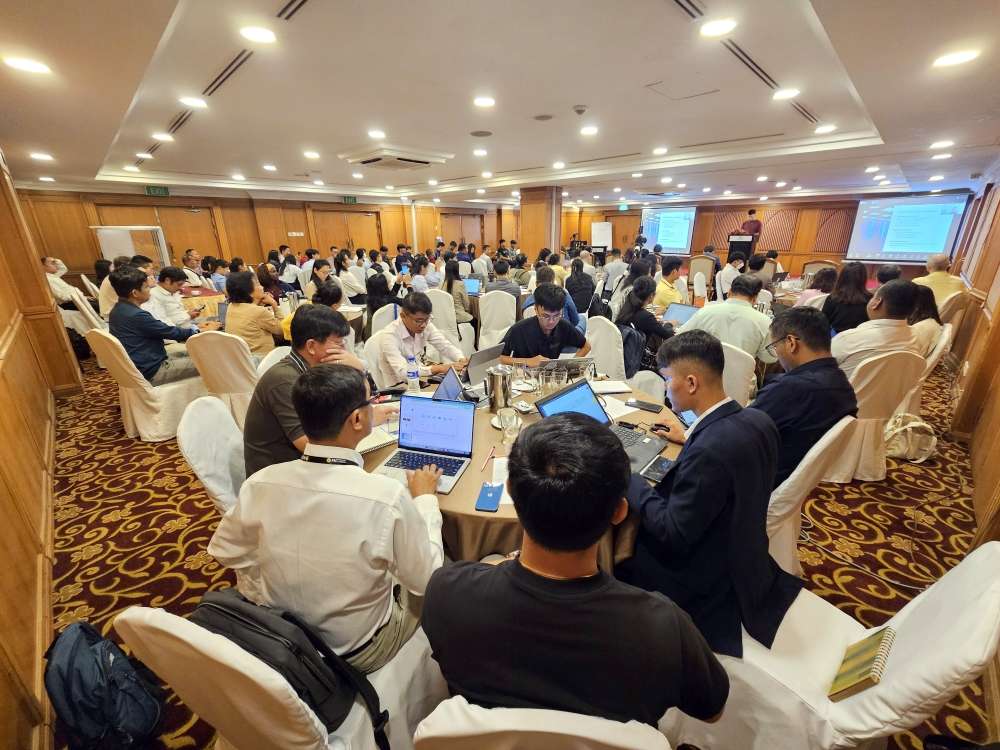
Speakers from Cambodia, Thailand, Vietnam, and Taiwan, both onsite and online, shared insights into open data policies and practices across the region, with particular emphasis on the challenges of implementing open data policies in Mekong countries. The dialogue also explored emerging opportunities and future directions for strengthening open data ecosystems.
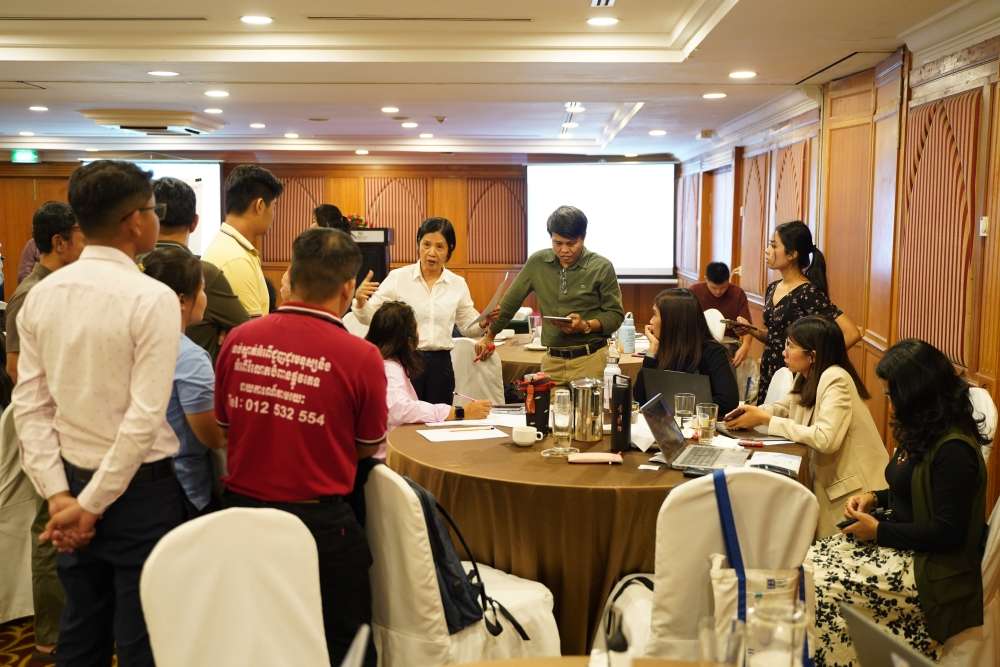
One of the highlights of the dialogue was the breakout group discussions. Participants were divided into three groups to explore issues related to implementation, accountability, and long-term sustainability of open data initiatives. These discussions aimed to strengthen CSO contributions to Cambodia’s draft Open Data Policy, a key government initiative to advance open data nationally. Key recommendations focused on strengthening accountability mechanisms and improving data accessibility.
This dialogue is part of ODC’s broader efforts to support civil society engagement in the development of Cambodia’s Open Data Policy. Another key initiative was the one-day Workshop on Open Data at the Provincial Level, held in Siem Reap on 27 May 2025. Recommendations from that workshop focused on improving data availability, establishing clear governance structures, strengthening capacity-building, and raising awareness of open data among stakeholders.
The 2025 Regional Dialogue reaffirmed that open data is no longer just a technical agenda; it is a foundation for transparent governance, inclusive development, and meaningful citizen participation across the Mekong region. While progress is evident, sustained collaboration between governments, civil society, academia, and development partners will be essential to address persistent challenges related to data quality, accessibility, and capacity.
For Cambodia, the dialogue marked an important step toward shaping a more inclusive and practical Open Data Policy, ensuring that diverse voices, especially from civil society, are reflected in its development and implementation. As momentum continues to grow, strengthening regional knowledge exchange and investing in long-term capacity building will be critical to unlocking the full value of open data for sustainable and equitable development in Cambodia.

